
How to Choose the Right Size Dog Kennel for Your Pet
A step-by-step guide to measuring your dog and picking the perfect kennel size so your pet can stand, turn, and lie down comfortably.
Why Kennel Size Matters More Than You Think
Choosing the right kennel is one of the most important decisions you will make for your dog's comfort and well-being. A kennel that is too small forces your pet into an awkward crouch, while one that is too large can make your dog feel insecure and anxious. The goal is simple: your dog should be able to stand up without hitting the roof, turn around freely, and lie down stretched out — all inside the kennel.
A properly sized kennel becomes your dog's safe den — a place of rest, not restriction.
Step 1: Measure Your Dog Accurately
Before browsing any size chart, grab a flexible tape measure and record two key dimensions of your dog while they are standing on a flat surface:
- Length (nose to tail base): Measure from the tip of the nose to the base of the tail — not the tail tip. Add 2–4 inches (5–10 cm) to this number so your dog has room to stretch forward.
- Height (ground to top of head): Measure from the floor to the highest point of the head (or ear tips for erect-ear breeds). Add 2–3 inches (5–8 cm) so your dog can stand fully upright without scraping.
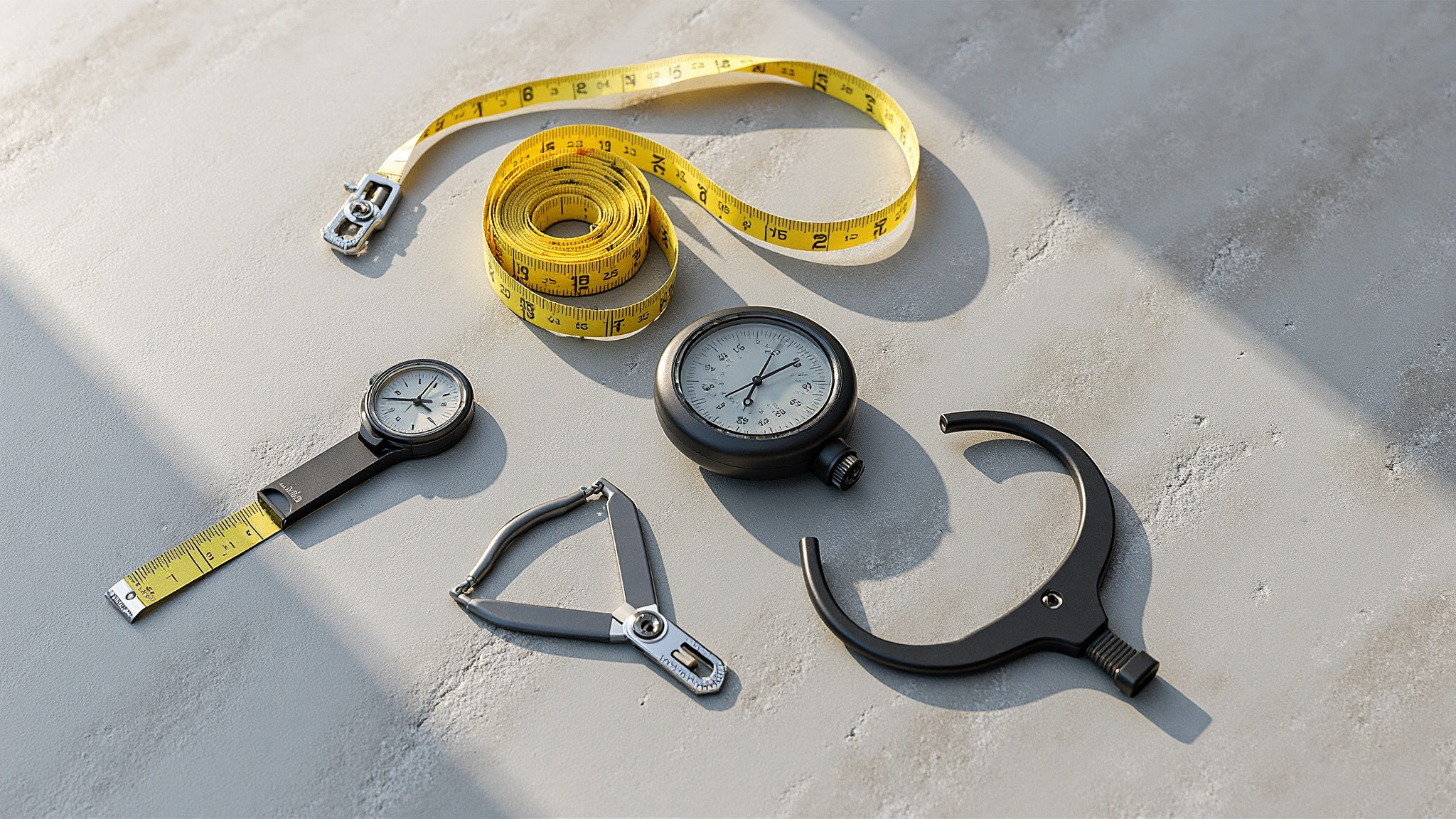
For puppies, always measure based on their expected adult size. Check the breed's average adult weight and dimensions, or consult your veterinarian for an estimate. Buying a kennel sized for a full-grown dog now and using an adjustable divider panel is a common and cost-effective strategy.
Step 2: Use the Size Comparison Chart
Once you have your measurements, match them against this general size guide. These ranges cover the majority of popular breeds:
| Category | Dog Weight | Kennel Length | Example Breeds |
|---|---|---|---|
| Small | Under 25 lbs (11 kg) | 24–30 in (60–76 cm) | Chihuahua, Yorkie, Pomeranian |
| Medium | 25–70 lbs (11–32 kg) | 36–42 in (91–107 cm) | Beagle, Cocker Spaniel, Bulldog |
| Large | 70–90 lbs (32–41 kg) | 42–48 in (107–122 cm) | Labrador, Golden Retriever, German Shepherd |
| Giant | Over 90 lbs (41 kg) | 48–54+ in (122–137+ cm) | Great Dane, Mastiff, Saint Bernard |
Step 3: Factor in Weight and Body Shape
Weight alone is not enough — two dogs of the same weight can have very different body shapes. A stocky, barrel-chested breed like a Bulldog may need a wider or taller kennel than a lean, long-legged breed of equal weight. Always cross-reference weight with your length and height measurements.
Here are additional weight-related considerations:
- Overweight dogs: If your dog is carrying extra pounds, size up one category to ensure they can still move comfortably.
- Pregnant or nursing dogs: A mother dog needs significantly more space — plan for the largest kennel in her size range.
- Senior dogs with joint issues: Older dogs benefit from extra room to shift positions without bumping into walls.
Common Mistakes to Avoid
Even with a size chart in hand, pet owners often fall into these traps:
- Buying based on breed label alone. "Large breed" kennels vary between manufacturers — always check the interior dimensions in inches or centimeters.
- Going too big "just in case." An oversized kennel defeats the den instinct. Dogs feel safest in snug spaces; too much room can trigger anxiety and accidents.
- Forgetting to re-measure growing puppies. A kennel that fits a 6-month-old Labrador will be cramped at 12 months. Use a divider panel and adjust as your puppy grows.
- Ignoring door height. Some kennels list length correctly but have a low entry door. Make sure the door height exceeds your dog's shoulder height.
Final Checklist Before You Buy
Run through this quick checklist before placing your order:
- Dog's length (nose to tail base) + 2–4 inches fits within the kennel's interior length.
- Dog's height (floor to top of head) + 2–3 inches fits within the kennel's interior height.
- Your dog can stand, turn around, and lie down stretched out — confirmed in person if possible.
- The kennel's weight rating exceeds your dog's current weight.
- For puppies, a divider panel is included or available separately.
Taking ten minutes to measure and compare will save you the cost and hassle of exchanging a kennel later — and more importantly, it gives your dog the comfortable, secure space they deserve.